Table of contents
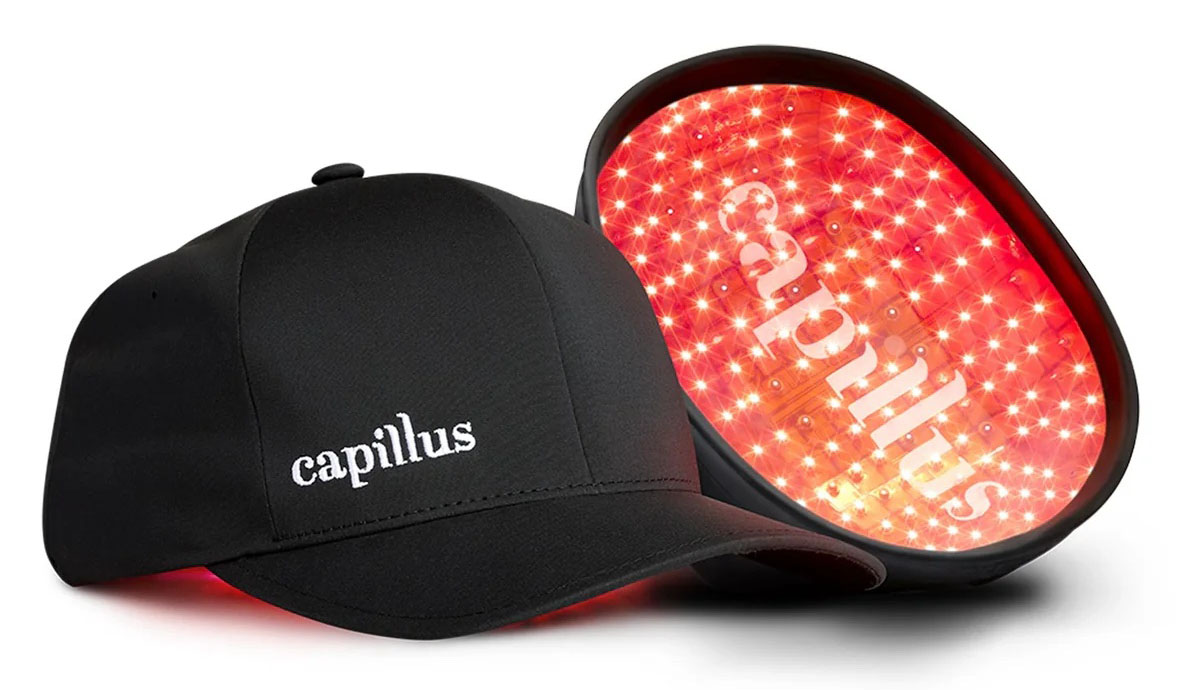
At City Facial Plastics, Dr. Linkov offers Capillus laser caps as a convenient option for patients managing hereditary thinning, general hair loss, or looking to support their surgical recovery. The most advanced hair regrowth caps on the market, each Capillus is fitted with medical grade laser diodes that deliver red light to each hair follicle for comprehensive hair growth stimulation.
Low-level laser light therapy, often shortened to LLLT, is a form of red-light therapy that uses specific wavelengths of light to stimulate activity inside the hair follicle. Sometimes called “cold laser therapy”, as unlike with many cosmetic lasers, LLLT devices don’t generate heat. LLLT for hair loss works gradually, encouraging follicles through photobiomodulation to function more efficiently over weeks and months of consistent use.
LLLT is:
LLLT caps are a low-risk way to augment and supplement your results at home.

Red light works by activating an enzyme that resides in your cells’ mitochondria called cytochrome-C-oxidase. Mitochondria are the organelle powerhouse of all our cells, and their energy output can influence how robustly hair grows. Mitochondria can react to some wavelengths of light in a similar way as how chloroplasts in plants produce energy from UV light.
The enzyme responsible, cytochrome-c-oxidase, absorbs red and near-infrared light particularly well. When an LLLT device delivers light at the right wavelength, this enzyme becomes more active, boosting the cell’s natural energy production (in the form of ATP). Increased ATP combined with improved scalp circulation is thought to encourage follicles to spend more time in the active growth phase, supporting thicker, healthier-looking hair over time, a mechanism explored in clinical research on LLLT for hair growth.
Capillus is one of the most established names in at-home LLLT, and it’s the laser cap line Dr. Linkov recommends. Each Capillus cap is fitted with medical-grade laser diodes arranged inside a lightweight, flexible dome that fits comfortably under a regular baseball cap.
Several models are available, from lower-diode entry options to full-coverage caps with well over 200 medical-grade laser diodes. There’s a Capillus hair cap to match different stages of thinning and different budgets. Capillus caps are FDA-cleared for both men and women, making them a practical at-home option for female pattern hair loss as well as male thinning.
Treatments take just 6 minutes of hands-free daily use, auto-timed and powered by a compact rechargeable battery pack. It’s discreet enough to wear while working, commuting, or running errands. If you’re interested in learning more about the Capillus caps, follow our affiliate link to discover more.
If you’ve searched for a “red light therapy cap” or “red light therapy hat” for hair loss, you’ve likely encountered a bevy of options at a variety of price points. LLLT devices are essentially a clinical form of red-light therapy engineered specifically for the scalp. What sets a Capillus laser cap apart from lower priced competitors is the carefully calibrated wavelength, dose, and diode placement in each cap. Capillus caps are designed, tested, and cleared specifically to reach hair follicles.
At-home LLLT devices generally fall into a few categories: handheld combs, wearable bands or helmets, and full-coverage caps. Full-coverage laser caps, like Capillus, are generally considered among the best LLLT devices for hair loss because they combine a higher diode count, full scalp coverage, and short, hands-free sessions — a combination that makes consistent, correct daily use achievable.
Candidates who most benefit from at home LLLT typically show:
The best way to know whether LLLT or a Capillus laser cap fits your hair loss pattern is a consultation to discuss your long term hair goals and design a plan.
Compliance matters most with LLLT. Most patients wear their Capillus cap once a day for about 6 minutes, automatically timed so there’s no guesswork. Like most low-level laser light therapy for hair loss, results build gradually. Many patients notice reduced shedding within the first couple of months, with visible improvements in thickness and density typically emerging between months 3 and 6 of consistent daily use.
As with any hair restoration therapy, results between patients vary and ongoing use is generally needed to maintain results over time. As part of hair restoration treatment planning at City Facial Plastics, Dr. Linkov offers guidance on Capillus laser caps for post-transplant support.
Capillus laser caps use LLLT to stimulate hair follicles in people with hereditary hair loss, general thinning, or those recovering from a hair transplant.
Yes. LLLT is non-invasive, pain-free, and FDA-cleared for hair loss treatment. It doesn’t use heat and won’t burn the scalp.
Most patients need consistent daily use for at least 3 to 6 months before noticing a change, with fuller results developing over 6 to 12 months.
Many patients incorporate LLLT into their post-transplant routine to help support healing and regrowth. Timing should be confirmed with your surgeon.
Pricing depends on the model and diode count you choose.
As with most hair loss therapies, results are generally maintained only with continued use. Stopping treatment can lead to a gradual return of shedding over time.
Hair restoration starts with understanding your options. Booking a consultation is the best way for Dr. Linkov to evaluate your hair loss pattern and help you decide the best combination of treatments to reach your goals.
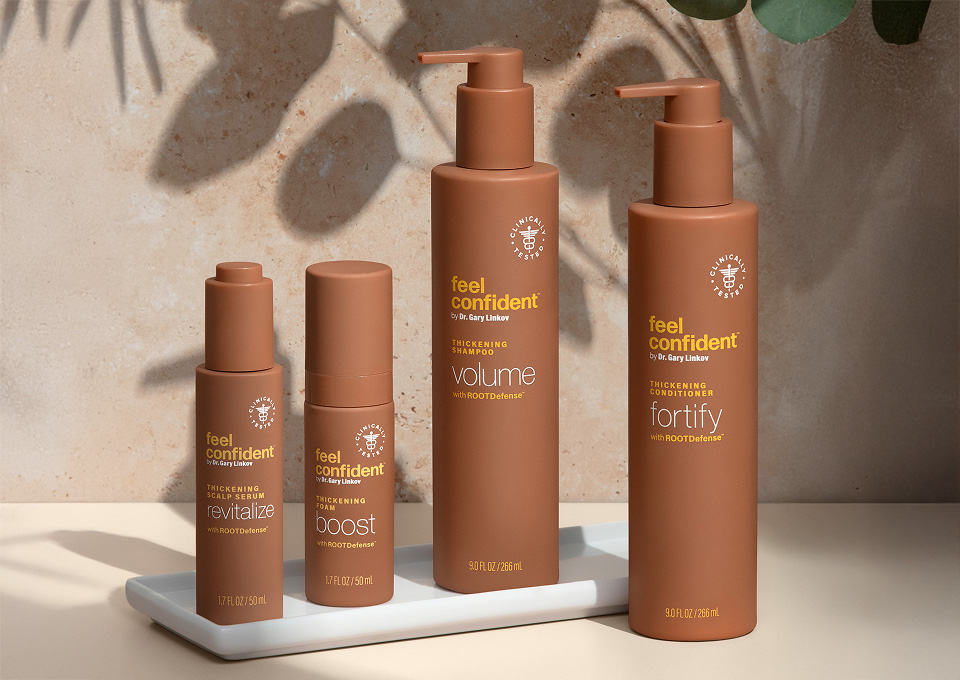
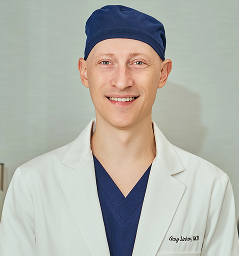
Dr. Linkov is double board-certified by the American Academy of Facial Plastic and Reconstructive Surgery and the American Board of Otolaryngology-Head & Neck Surgery. A native of New York, Dr. Linkov graduated as a salutatorian from Cornell University and received his Medical Degree at Columbia University College of Physicians and Surgeons. Dr. Linkov conducted advanced head and neck cancer research at the world-renowned Memorial Sloan Kettering Cancer Center. Dr. Linkov is a former Adjunct Assistant Professor at New York University (NYU), where he taught Rhinoplasty.
Dr. Linkov is a top-rated facial plastic surgeon in New York who specializes in lip lift and hair transplant surgery. He has been named one of the top 5 lip lift surgeons in the United States, is listed in the prestigious SuperDoctors New York™ registry, and has appeared on the Dr. Oz Show, where he discussed the state-of-the-art hair transplantation procedure.