

There are serious trade-offs to these kinds of procedures. That they aren’t being disclosed is a big problem.

Picture this scenario:
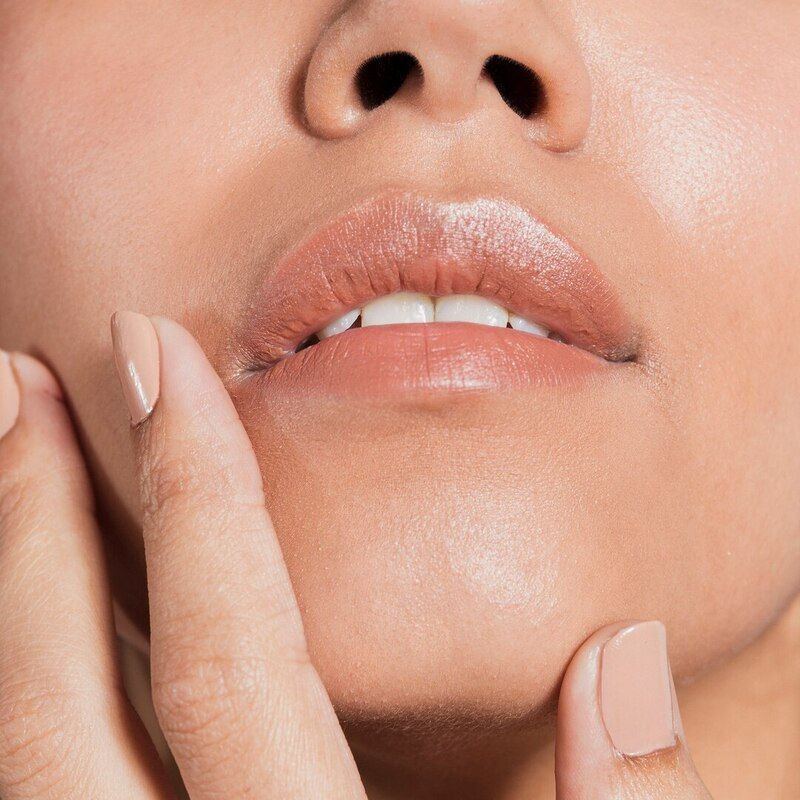
You’re anxious about the look of your upper lip and have been for a while. The proportions feel… off. So much so that it impacts your confidence and you’re considering surgical options. You might even have had a consultation of two to see if you’re a candidate for an upper lip lift.
The one thing weighing on your mind? The scar.
And then, out of the blue on your social media feed? There’s an influencer touting an overseas surgeon’s new surgical treatment. A scarless lip lift promising all the results of a traditional bullhorn style lip lift but none of the scarring risks.
Tempting, isn’t it? Particularly when the before and after photos always seem to show such impressive results.
I’ve performed over 1,300 lip lift surgeries using my specialized, EleLyft surgical technique, and I’m here to tell you that scarless lip lifts are misleading.
Worse? The batch of influencers and surgeons pushing these procedures are not disclosing the downsides and risks. It’s concerned me enough that I recently posted a video talking about the trend.
What is a scarless lip lift and why do I have such strong feelings about this resurgence? Read on to find out why these techniques can spell disaster for your results.

Before I get into the techniques involved, it helps to be clear about be clear about the actual goals of a lip lift. With few exceptions the number one reason people look into getting a lip lift over filler is because they feel their philtrum (the vertical distance from the base of the nose to the center of the cupid’s bow) is too long for their faces.
One reason is that the philtral distance tends to lengthen with age. Others are born with a longer than average philtrum or are bothered by a philtrum that appears longer after a rhinoplasty.
A lip lift can also sometimes help with:
But notice that all these things are seeking balanced facial proportions, not an adjustment in volume or shadows. Facial balance is notoriously difficult to alter with non-surgical procedures because it often requires moving tissues or adding structure. In the case of a lip lift, that means excising skin and repositioning (lifting) the underlying structures. So, when someone starts talking online about a scarless procedure, my first question is always ‘how can this technique lift the lip without creating a much worse trade-off elsewhere?
Shortening the philtrum can be an incredibly impactful surgery for the right candidate. But, like the facelift, the procedure has changed a lot over the years.
The bull horn lip lift was first described in 1970 with the scar contouring the base of the nose. Direct excision techniques followed, placing scars along the vermilion border (often called a gull wing lip lift). Unfortunately, the scars are often even more visible and can disrupt the contours of the upper lip. Though you still see it performed overseas, it’s far from scarless.
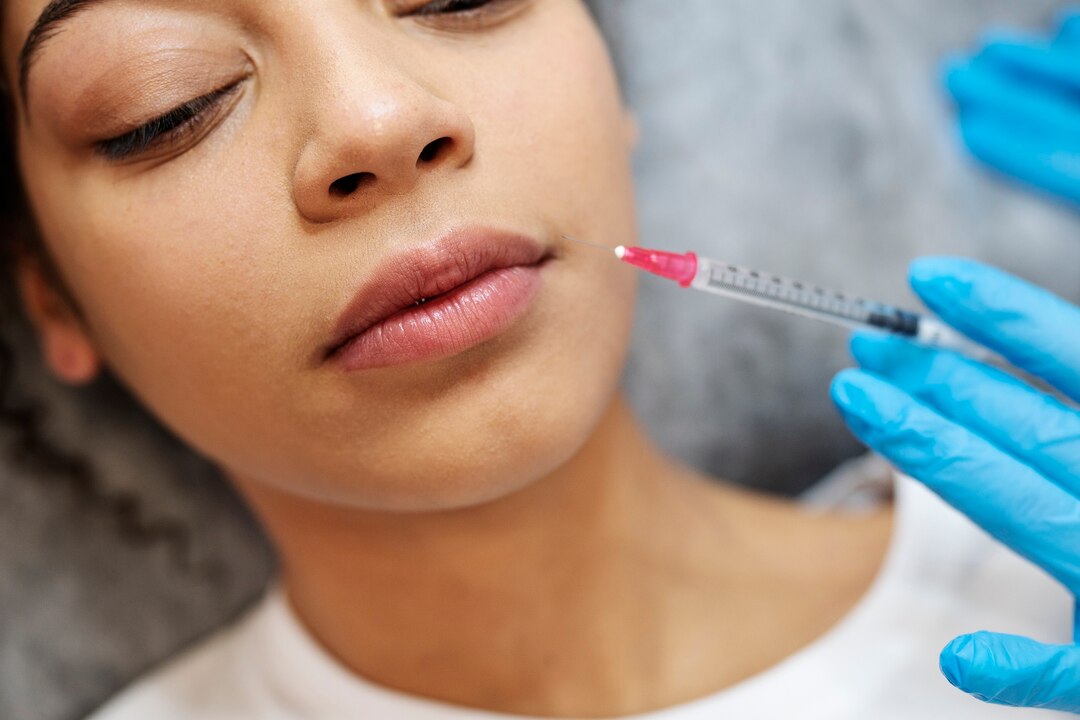
The first scarless lip lift was described in the early 1990s, a V-to-Y advancement technique that’s main goal was to enhance lip volume while hiding the incisions inside the lip. It’s fallen out of fashion and for good reason.
The V-to-Y (VY) lip advancement increases lip volume by advancing mucosal tissue forward. The upper lip becomes more voluminous, but the philtrum distance stays the same (so it’s arguably not a real lip lift). The advancement itself can be problematic, creating extra tissue inside the mouth that becomes bothersome when speaking and eating. The final volume increase can also be unpredictable, and there’s a greater chance for salivary gland injury during the surgery.
For patients primarily seeking more predictable, longer lasting volume (and happy with their tooth show and philtral distance) a more modern solution is fat transfer.
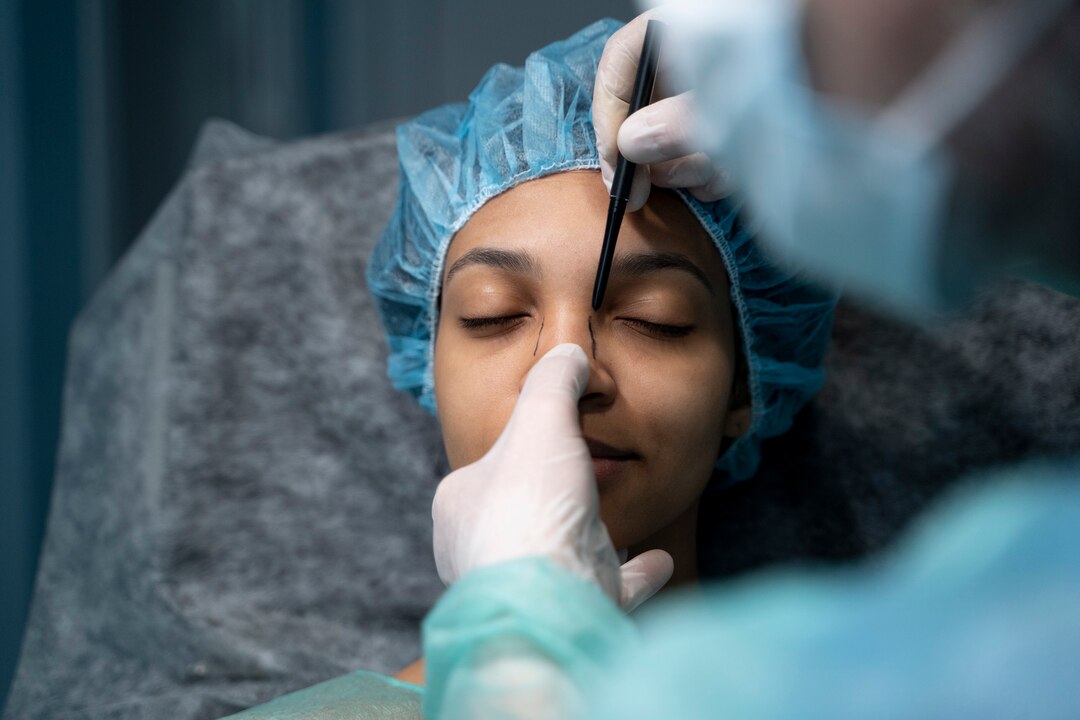
A second ‘scarless” suture suspension technique was described in 2011, where sutures lift the upper lip by anchoring it to the nose. I’ve seen this technique being marketed aggressively on social media, particularly by clinics abroad.
An incision is made inside the nose (like a closed rhinoplasty approach) and then the surgeon dissects downward from within. A permanent suture then anchors the lip to the nasal spine, lifting the philtrum region without an external scar or the removal of skin.
The appeal is in the lack of scars and reversibility (by cutting the suture), but there is a huge trade off; destabilizing the nasal tip. It can result in a change in tip projection, rotation, breathing difficulties, and increased show of the nostril which may not go back even when the sutures are cut.
It can also increase anterior projection of the upper lip, a problem for patients who want to avoid a “ducky” look.
Nasal distortion and breathing issues all to avoid a scar is not a simple trade off.
The third and final ‘scarless” lip lift is the endonasal approach, first described in 2014, where scars are placed inside the nostril. It’s the closest of the three to the traditional bullhorn lip lift, with one big difference; the surgery effectively amputates the nasal sills.
The idea comes from a good place: hide the lip lift scar inside the nostrils where no one will see them. Skin is removed, shortening the philtrum, but the upper lip is effectively pulled upward.
The biggest issue with this type of lip lift is that it obliterates the nasal sill, a natural anatomical landmark that separates the nose from the lip. It’s something that the eye notices as you lose the normal division between facial subunits. The nose-lip junction can start to look less natural, “off”, flat where there should be structure.
You sacrifice normal anatomy to hide a scar. In this case, I consider a well-managed scar the lesser of the evils.
So what do I do instead? My approach is a bullhorn-style lip lift with the incision at the base of the nose. It involves:
The reason people are so keen to explore scarless options is they’re afraid of the permanent scar at the base of the nose. In a well performed lip lift, the only one who will notice the scar is the patient, and that’s because they know where it is.
But you’ve probably seen photos online where those scars look wide, railroaded, raised, and obvious.
Bad scars are not inevitable. Scar quality is influenced heavily by how tissue is handled during surgery, how tension is managed, the needle type used, and closure technique.
In my experience, many of the “railroad” vertical marks people fear aren’t caused by the surface stitches. They’re caused by deep sutures placed too superficially, creating tension and strangulation close to the skin surface.
Scar management also makes a huge difference. My typical guidance for optimal healing at home includes:
And, for the small minority of patients prone to hypertrophic scarring (raised scars)? Steroid injection at the end of surgery or afterwards if thickening appears, laser resurfacing later (often closer to 9–12 months once the scar has matured).
My goal is to give my patients the best overall aesthetic and natural outcome possible with the lowest long-term risks. For someone wavering over these trends, ask yourself: is it truly scarless, or just hidden? What anatomy might be altered to hide that scar? And does it actually achieve my goals (philtrum shortening vs volume vs tooth show)?
Curious about trying paired down skincare formulated by a plastic surgeon? Check out my Feel Confident Skincare Line. Gentle, effective, backed by science.
Considering a lip lift or lip augmentation? Book a consultation so we can explore your best options together and work on a plan together.


City Facial Plastics 150 E 56th St, #1AB, New York, NY 10022 (212) 439-5177