Table of contents
View the series of videos about the hair transplant, regrowth and hair loss regeneration.
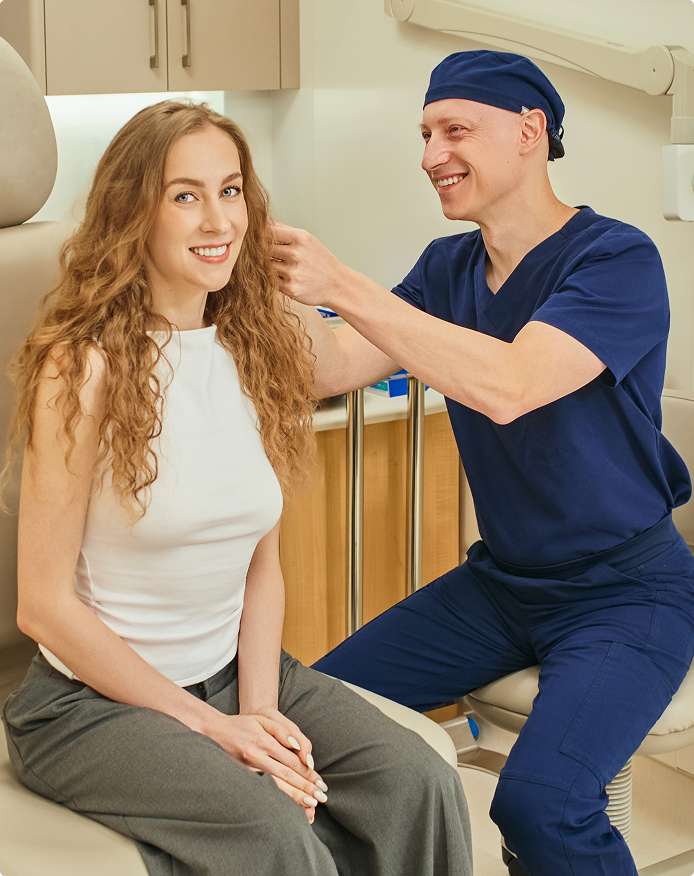
A hair transplant is an affordable surgical procedure that takes hair from one part of the body and moves it to another. In the past, results of hair graft looked unnatural, and recovery was painful. Now, using the latest technologies and techniques, beautiful and affordable hair restoration in NYC is possible. And the best part is that Dr. Linkov provides affordable hair implants for men and women that are permanent when performed on the appropriate candidate. Get the hair loss treatment you need in the safe, reassuring hands of the best Manhattan hair transplant doctor, Dr. Linkov.
City Facial Plastics in New York, under the management of a top-rated hair restoration specialist Dr. Linkov, uses the latest FUE hair follicle transplant techniques.
The most common type of hair loss is due to genetic factors, called androgenetic alopecia. Hair loss can affect men and women but results in a different phenotypic pattern. In men, the frontal and temporal recession is typical and is further classified by the Hamilton-Norwood scale. There is a preservation of the frontal-most hairs in women, but the scalp’s central areas show thinning, and the Ludwig scale best classifies that.
Other reasons for hair loss include:
Visit our hair implants clinic and meet Dr. Linkov. He can help you find the most effective solutions to reverse hair loss signs, thinning hair, or getting bald. He is the best-rated hair transplant doctor in NYC and a frequently sought-after expert in the media, including regular appearances on major news outlets. Dr. Linkov prides himself on spending the necessary time to evaluate and treat hair loss issues in a compassionate and friendly environment on Madison Avenue in New York City.
Here is what other Patients had to say about City Facial Plastics
Dr. performed a hair transplant of 2200 grafts approximately 10 months ago and it came out great. People notice how good my hair looks but no one can tell that I had a transplant unless I say something. The responses have been about how natural it looks including from my hair stylist. Dr. Linkov is very involved in a caring way, always approachable. His knowledge is extensive, an accomplished MD with impressive credentials and practices in NYC.
★★★★★ Tom Powell
Traditionally, hair is removed from the head’s back and sides and moved to the front of the head. However, nowadays, hair transplant New York specialist Dr. Linkov can take hairs from other body sites, such as:
And move hair follicle to other body sites as needed, such as:
The scalp hairs have a higher graft survival rate (about 95%) compared to non-scalp hairs (about 75-80%).
A right hair implant surgical candidate is a man or woman with appreciable hair loss in a specific area on their body, most typically the scalp. The hair implant surgeon or your local hair transplant doctor must have an area to target for the hair implant and create the necessary density. The targeted area needs to have a stable hair loss pattern, which is not progressive.
You would not be the right candidate for hair restoration, or you should be very careful as the hair implant would likely fail if you have:
There are two primary ways to remove donor hairs, including:
FUT involves removing a strip of hair, typically from the head’s back. The strip is processed under a microscope, and the hairs are divided into follicular units and stored until they are ready to be planted. The advantage of follicular unit transplant is that the procedure is generally faster than its alternative FUE and may deliver a more significant number of donor hairs from the head’s back. Also, it is possible to leave the hairs’ shaft longer if needed for specific procedures such as eyebrow hair transplantation. The disadvantages of FUT are that it leaves a linear scar, which is noticeable if the head is ever shaved, and the follicular unit transplant is not a good harvesting option in other parts of the scalp and body areas.
FUE is the modern approach to hair transplantation. It involves removing individual follicular units, which exist as families of 1-4 hairs. Using various instruments described below, each follicular unit to be harvested is punched out using a punch size of 0.8mm-1mm on average. The tiny holes created to seal up and leave behind small circular scars that are barely perceptible even if the scalp is shaved. Attention is paid not to overharvest, leaving enough hairs in between the punched grafts. The main advantage of FUE is avoiding a linear scar as well as a more comfortable recovery with less pain and no sutures to remove. Also, the technique can be applied to the sides of the head and other body sites such as the neck and chest in some individuals. The disadvantage of FUE is the time and labor required to remove the grafts carefully.
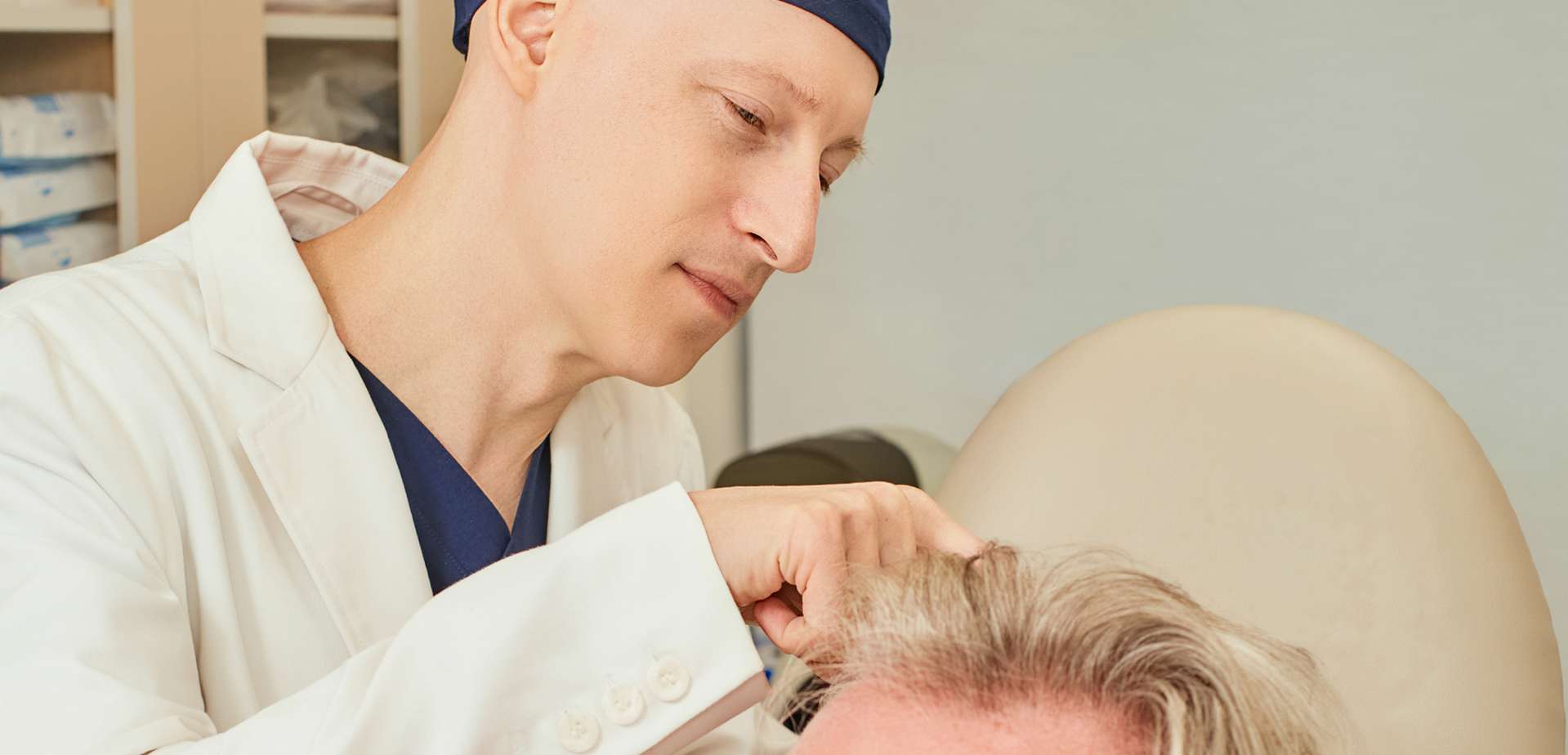
The concept for FUE is to use a tool to remove a follicular unit graft without traumatizing the follicle. The device must punch through the skin, keeping the hair shaft in the middle of it, and include some of the deeper subcutaneous tissue as a cuff around the hair while preserving the hair follicle bulb.
There are a few tools that physicians are using to harvest (punch out) honor hairs using the FUE method, such as:
Motorized
This is the most common method currently used for FUE and includes machines made by Ellis, Devroye (WAW), Neograft, and SmartGraft. The Ellis system features a sharp punch with a rotational mode only. The Devroye WAW follicular unit extraction (FUE) system, favored by Dr. Linkov, utilizes an oscillating mode that offers precise control and minimizes trauma to hair follicles, thereby improving the survival rate of transplanted hair. The Neograft and SmartGraft systems use a rotational mode with suction. Dr. Linkov prefers the WAW system for its precision and gentle handling of hair follicles. Its innovative design helps reduce follicle damage, ensuring optimal results for patients.
Robotic
The Artas robot has some automated features for extracting hairs, creating recipient sites, and placing the hairs (with the Artas iX). While a great marketing tool and helpful for reducing human fatigue with longer procedures, there are several disadvantages,which include:
Manual
A sharp or blunt-tipped manual punch is a cylindrical instrument rotated in hand and through the skin around the hair shaft.
Dr. Linkov is using several options for preparing the donor area for harvest, such as:
Shave
The entire area to be harvested is shaved with an electric clipper down to about a number 1
Partial shave
The lower back of the head is shaved down as above, the rest of the potential donor area is kept longer and trimmed carefully as needed for any further harvesting
No shave
Only careful trimming is used with a scissor to leave enough surrounding long hairs to cover the harvested area and to make it less noticeable during recovery that you had a procedure
Dr. Gary Linkov’s RootDesign™ method is a structured approach to hair restoration that guides the entire process, from early design planning to the final placement of each graft. As a highly praised hair transplant doctor in NYC, his focus is on achieving results that look natural, not just immediately after surgery, but as the hair continues to grow and age over time.
RootDesign™ is built on careful planning and precise execution. Every case is designed individually, taking into account facial balance, existing hair patterns, donor area strength, and how density should be distributed to avoid an artificial look. Instead of a one-size-fits-all method, each step is adjusted to match the patient’s natural characteristics.
Key elements of the approach include:
The goal of RootDesign™ is not simply to restore hair, but to recreate it in a way that feels authentic to the patient’s face and evolves naturally over time without obvious signs of transplantation. To better understand how this method works in practice, Dr. Linkov explains RootDesign™ in detail in his video, walking through each stage of the process and how it contributes to natural-looking outcomes.

Eleven months post 1600 FUE hair transplant to the hairline. Because of the proper direction, angle, and irregularity, the transplanted hairs blend in naturally with his preexisting hairs. Keep in mind that to address the hairline in this manner, patients must be on maximum medical therapy to avoid further hair loss, as this patient is.

1920 FUE grafts were transplanted to the frontal and mid-scalp for this kind man. He had a pre-existing SMP tattoo which had to be carefully incorporated into the decision-making when planning the hairline design.
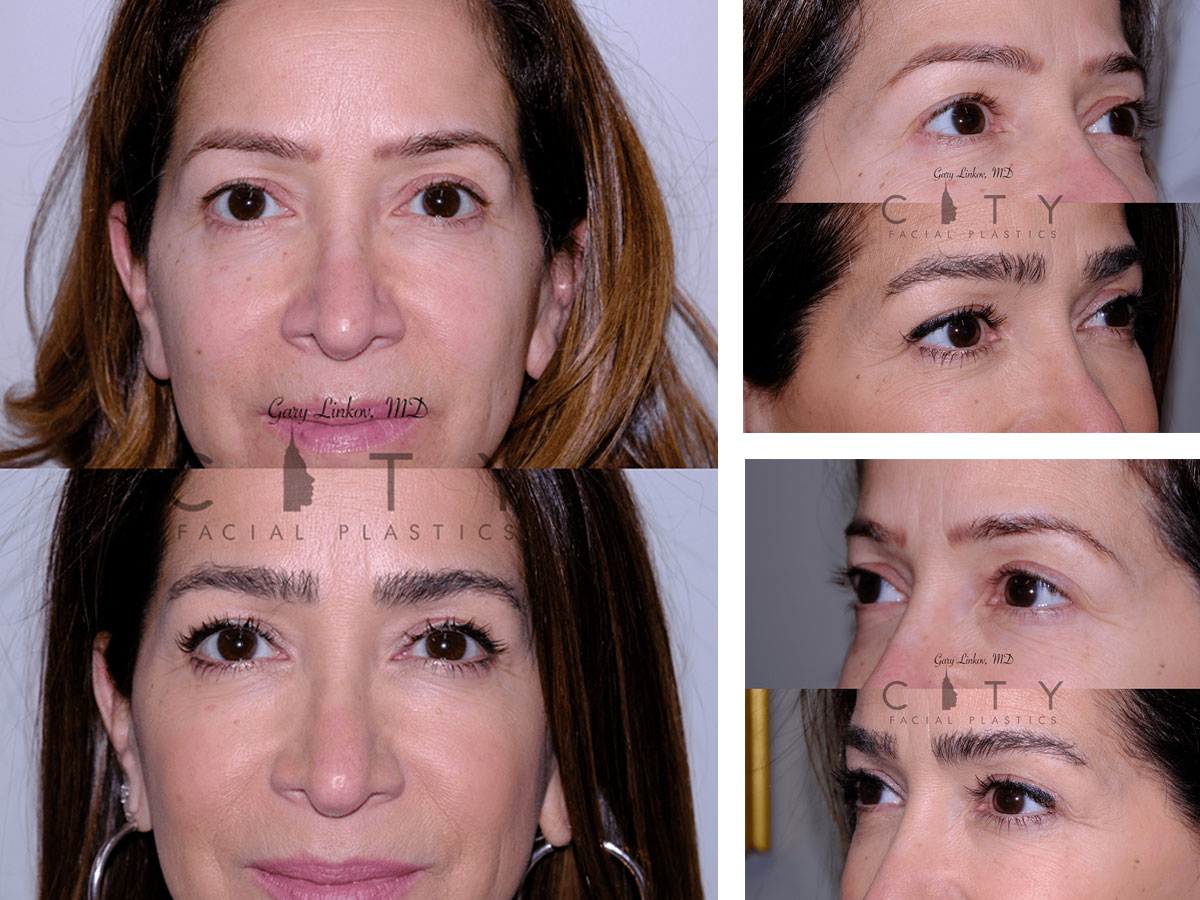
550 grafts using a FUT strip technique were used to augment the eyebrows for this beautiful patient. She had tried microblading in the past and did not enjoy the results. Here you can see her 7-month postop results. She loves her new brows! She now likes to say, “I went from no brows to wow brows!”
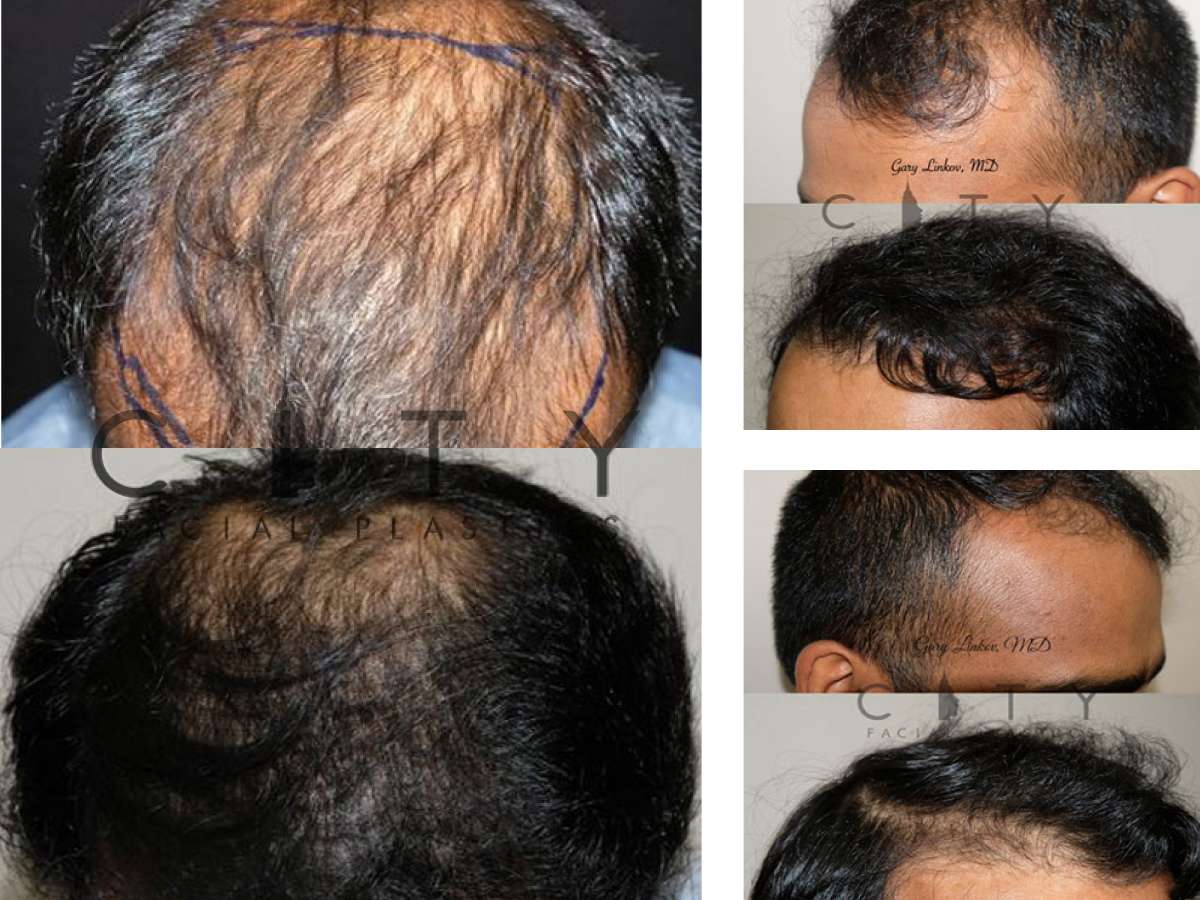
1800 FUE grafts were transplanted to the frontal and mid-scalp. PRP was performed during the transplant to improve hair re-growth and prevent shock loss. The markings shown indicate the region targeted for the transplant.

2600 FUE grafts were transplanted from the back of the head and neck to the frontal and mid-scalp areas (on two separate sessions spaced one year apart). The patient prefers to wear his hair short, and his donor sites are shown.

1 year post 1800 FUE hair transplant to lower the hairline. She has always had a high hairline which she had to cover up with bangs. She desired a hairline lowering. We discussed surgical hairline advancement versus a hair transplant, and she opted for the hair transplant, mainly because she also had a temporal recession that she wanted to be addressed. She loves her results. We did discuss a potential fill procedure to increase density in the treated zone.
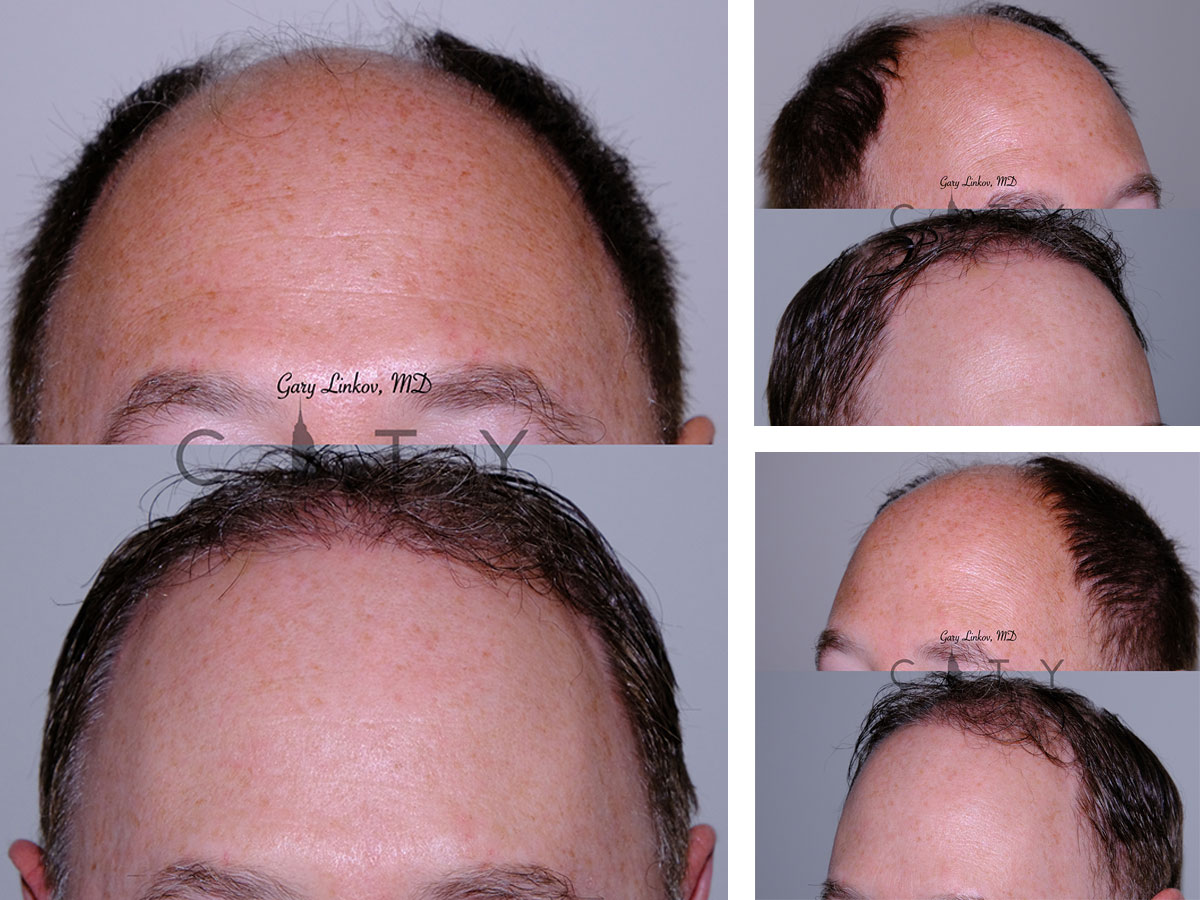
10 months post 2200 FUE hair transplant to the frontal and mid-scalp. He went from a Norwood 7 hair loss pattern to a much more youthful version of himself. He is thrilled, and we are discussing a touch-up procedure to reinforce his hair further.
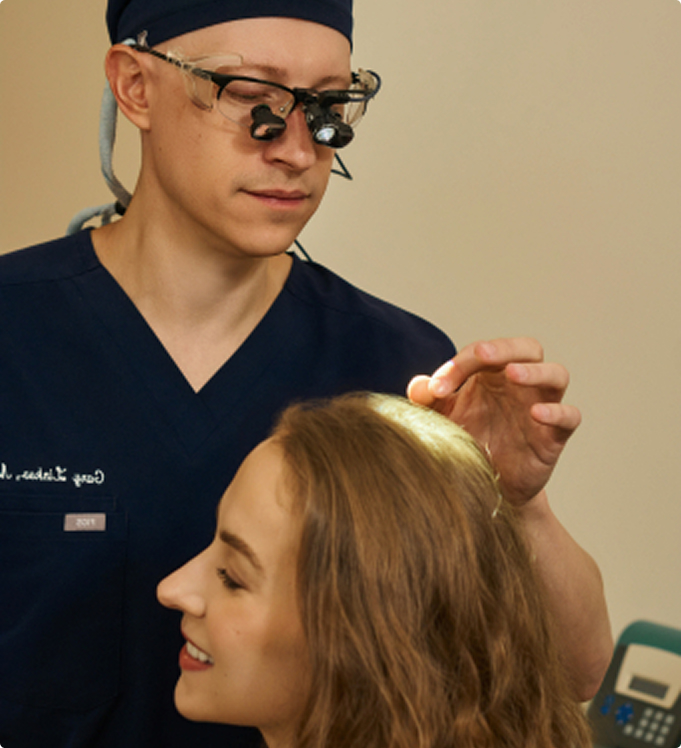
After the hairs are harvested from the donor site, they can then be implanted into the chosen recipient area. First, the recipient sites are made and then grafts are placed one by one. Board-certified plastic surgeon and a leading celebrity hair transplant expert in UES, Manhattan, Dr. Linkov differentiate between two main instruments used to create recipient sites, these include:
Studies by the leading hair restoration specialists have shown no difference in the ultimate growth of hair whether needles or blades are used. The decision of which instrument to use depends on the surgeon and technician’s experience and preference.
During the initial consultation on Manhattan’s Upper East Side, Dr. Linkov, the best-rated hair transplant procedure expert will estimate a graft count based on your desired look, donor density, and density needed at the recipient site to create the proper appearance. The hair graft count is always an estimate as the final count will depend on the technical ability to harvest the intended number of grafts. But the estimated graft count will guide the amount of time needed for your procedure and the cost. We can assure you that we offer the most affordable and inexpensive hair transplant in New York City.
In general, procedures can be divided into small, medium, and large cases, based on the following graft counts:
Keep in mind that even a small hair loss restoration surgery is time-consuming and meticulous in nature. Call our hair restoration specialists or visit us in person to receive more information about the hair graft in NYC on Madison Ave.
There are several factors that lead to a natural post hair transplant appearance, including:
With the increasing popularity of the Neograft and SmartGraft platforms, the trend has been that hair restoration physicians are less and less involved with the actual surgical hair transplant procedure. Often they simply design the hairline with a surgical marker and then disappear for the rest of the day, allowing hair technicians to perform the entire surgery. These technicians are certified by the Neograft and SmartGraft companies but they are not doctors and are not ultimately responsible for the result.
Dr. Linkov at City Facial Plastics in Midtown Manhattan is a top rated and reputable hair transplant surgeon who is closely involved in every stage of the hair restoration process. He personally performs the recipient site creation, the critical step that determines the direction, angle, and overall design of the final result. Dr. Linkov works alongside a highly experienced surgical team to ensure exceptional outcomes for his patients.
Hair transplant cost varies across the country and the world. Some practices charge based on price per graft, and others charge a flat rate per hair implant surgery. Hair transplant cost in NYC, the cost of hair transplant per graft generally ranges from $5-$13/graft in most cases the total cost of transplantation starts at $16,000. Certain parts of the country may charge as low as $1.5/graft. Countries like India and Turkey offer packages with travel and hotel accommodations covered for a low price. Still, medical tourism can come at a price, so patients must do their careful due diligence.
The final hair restoration price depends on the following factors:
Here at our hair loss center, we offer the best quality hair transplant and permanent hair restoration at the lowest possible price for people suffering from different hair loss conditions. Our approach is to perform the highest quality procedure and make the process pleasant and affordable.
Risks of this type of surgery include:
The most common side effect is scarring, and this cannot be avoided with any procedure. Other potential side effects entail:
Dr. Linkov and the staff are very well familiar with all possible side effects, prevention, and management techniques during follicular unit transplant. To avoid and minimize complications, we use the proper surgical technique and offer individualized and planned transplants.
For more in-depth information about complications in hair, transplantation read the study published on PUBMED.
Here are the advantages and disadvantages of hair plugs and hair transplant techniques:
Overall, hair transplant surgery produces a predictable, more natural-looking permanent result, provides a high level of patient satisfaction, and has a higher success rate than Hair Plugs.
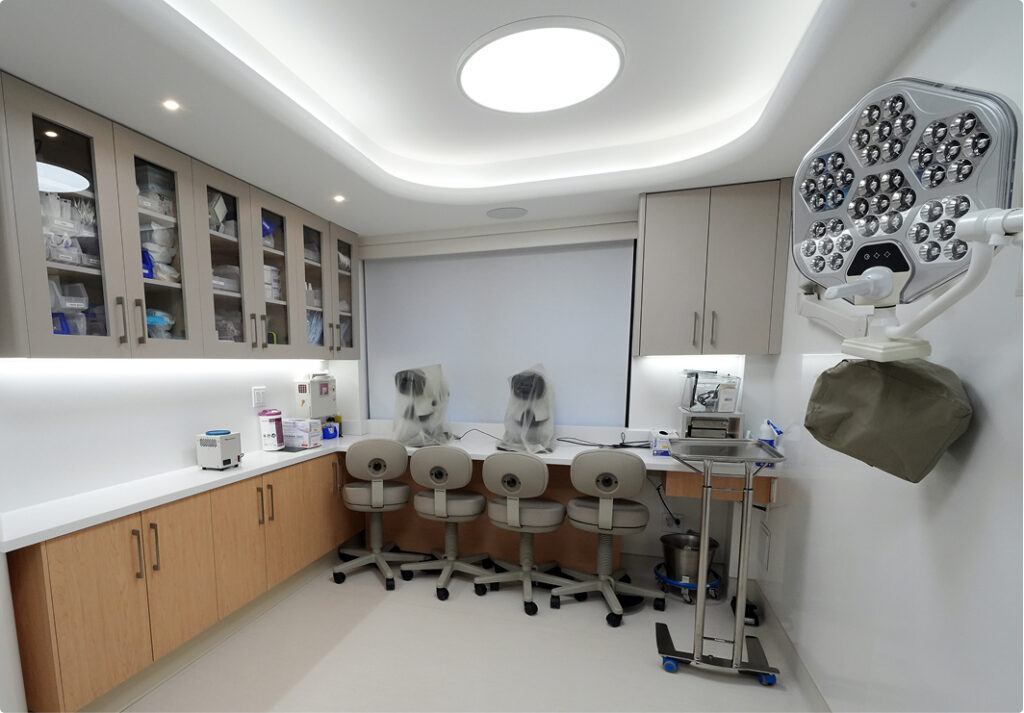
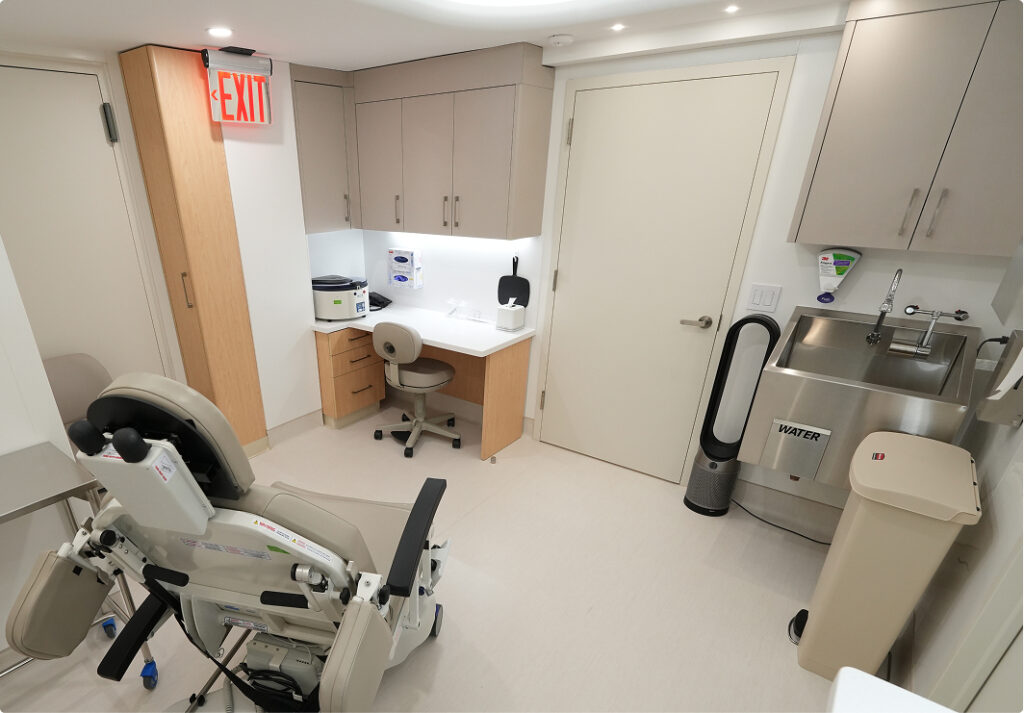
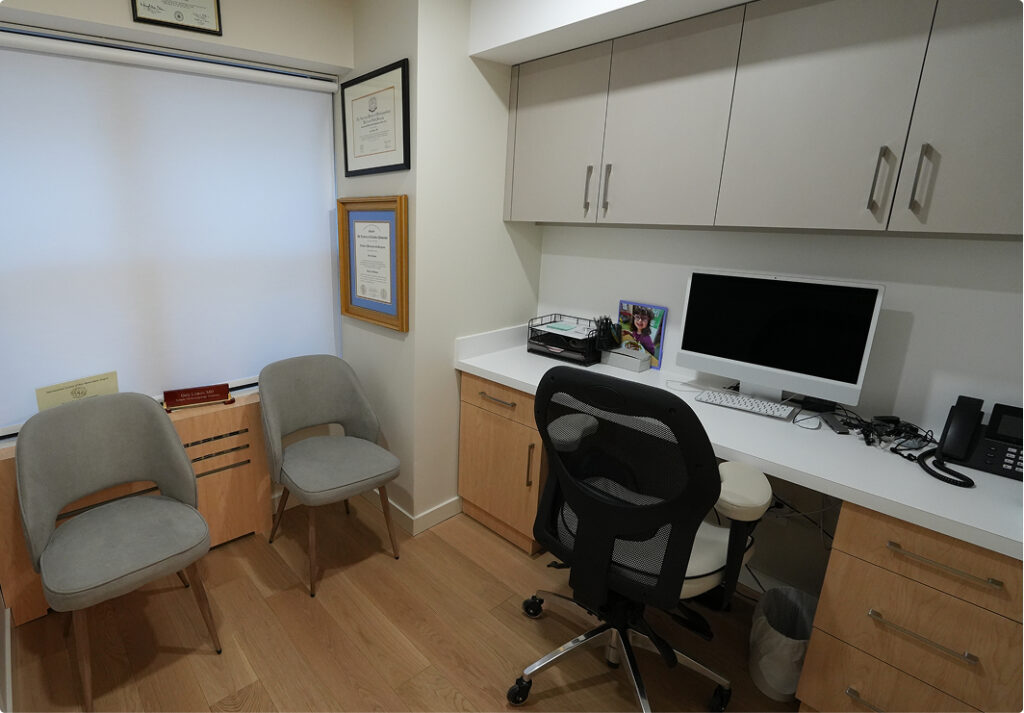
The hair transplantation clinic, led by double board-certified plastic surgeon Dr. Linkov, is a well-known, reputable facial plastic surgery facility specializing in the surgical and non-surgical restoration of hair in men and women experiencing hair loss or baldness. Our hair transplant clinic offers advanced hair restoration options, including hair transplant surgery, scalp micropigmentation, non-surgical hair replacement, hairline design, and postoperative care. With years of experience, the team of skilled hair restoration specialists are experts in harvesting hair from the patient’s scalp or other body parts and transplanting them to areas where hair loss has occurred.
Finding a good doctor offering a hair transplant near you can be straightforward with a few simple steps. Start by searching online for “hair transplant clinic near me,” or “hair transplant surgery near me.” Check reviews and ratings to understand patient satisfaction and the clinic’s reputation. You can also ask friends, family, or your primary care doctor for recommendations. Ensure the clinic is licensed and uses modern technology. Many clinics offer free consultations, so take advantage of this to meet the surgeon and assess the clinic environment.
Dr. Gary Linkov at City Facial Plastics is a board-certified facial plastic surgeon with a wealth of experience in hair restoration and is highly regarded for hair transplants. Known for his expertise, Dr. Linov utilizes advanced techniques to achieve natural-looking results. He has extensive experience with FUE (Follicular Unit Extraction) hair transplants, which are minimally invasive and offer quicker recovery times. Dr. Linkov and his team are dedicated to providing a comfortable and supportive environment, making the entire process as smooth as possible for patients.
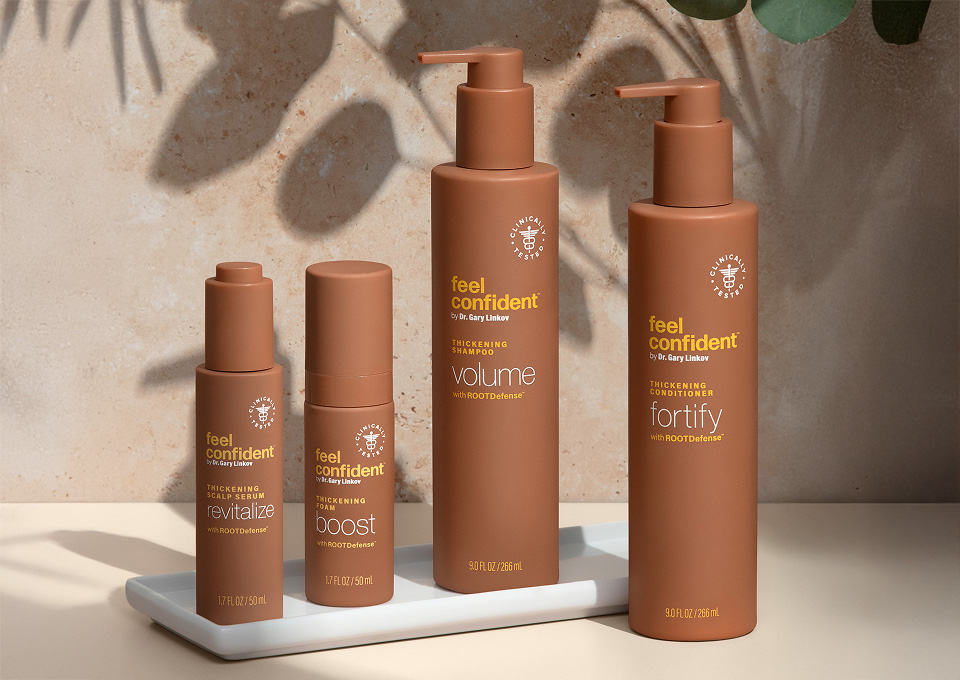
There are online vendors such as Feel Confident, Hims, Roman, and Keeps that dispense medications remotely. For a more personal touch, seek out physicians specializing in internal medicine, dermatology, and hair restoration experts who can provide you with the proper assessment and treatment plan to suit your hair recovery needs.
Absolutely not. While men’s hair transplants are more common, they are also for women. The patterns of hair loss are usually different and the preparation for donor harvesting is also different. But the overall steps of hair transplant for women are similar. For more information about the methods, we use in our clinic contact our Manhattan hair transplantation center.
Avoid medications and supplements that can thin the blood and cause increased bleeding during surgery, such as:
Refrain from smoking for at least one week before your procedure. Taking Vitamin C and Vitamin K before your procedure may help with healing and limit bruising.
For body hair donor areas, if applicable, you will need to shave the area five days prior to the procedure to allow the hairs to grow out to the desired length for extraction. For scalp hair donor areas, you can leave the hair long to allow the surgical team to trim/shave as per the discussed plan for harvesting.
Before your NYC hair transplant procedure, Dr. Linkov suggests avoiding coffee, alcohol, and caffeine as these may increase bleeding and change how you respond to medications. Arrive at the office wearing comfortable, loose-fitting clothing. Do not apply any product to your hair and make sure your hair is clean. Take your routinely prescribed medications that morning as you normally do.
Bring in the procedure-specific prescribed medications to the office and the team will instruct you on how and what to take, but the usual cocktail includes:
We are using local anesthesia (lidocaine with epinephrine) throughout the procedure to limit discomfort at the donor and recipient sites. Rarely, for certain body hair transplant procedures, we can recommend IV anesthesia.
Plan to have a friend or family member arrive at the conclusion of your procedure to escort you home.
These procedures are time-consuming endeavors. They can range from 3-12 hours in one day, and for more extensive cases, patients will need to come back the following day to finish the procedure. In our New York City hair loss center, the procedure typically starts in the morning, around 7:30 am.
For proper recovery after the hair transplant procedure, we recommend sticking to the following tips.
For the first night, sleep with your head elevated on several pillows or in a recliner chair to prevent swelling, and place a towel under your head for possible light bleeding. You may gently clean your hair beginning the second day until five days with water in a carefully poured basin over the head. On the sixth day, you may begin to shower normally, letting the water hit your scalp as usual.
The transplanted hairs often will fall out with the crusts as soon as five to eight days after the procedure. The hair follicles remain in the scalp. Most of the rest of the transplanted hairs will fall out over the next two weeks. The new hair shafts will begin to grow in the 4-6 month window and will continue to grow. The final result is typically judged at 12 months, though it can take longer before all of the hairs grow.
There are many reasons why people want to undergo a hair transplant procedure, and the most common are:
If native hairs exist in the recipient area, especially if the hairs are miniaturized, we may offer PRP to prevent shock loss after the hair transplant procedure. PRP, or platelet-rich plasma, has been shown to reduce the incidence of shock loss. For more information about the success rate of the hair transplant with PRP, call our office at (212) 439-5177
A hair implant is a permanent hair restoration option. Other permanent hair transplant alternatives are:
Temporary, medical therapies for hair restoration treatment include:
Dr. Gary Linkov is an associate member of ISHRS and is considered New York’s top-rated hair transplant surgeon with experience in traditional scalp procedures and eyebrow, beard, and body hair implants. Dr. Linkov uses the latest FUE transplant techniques and works with the most experienced hair technicians to create the best and most beautiful hair implant results for his patients at the facial plastic surgery clinic. With multiple appearances on the Dr. OZ show explaining how to treat hair loss using surgical and non-invasive technics, Dr. Linkov is among the best hair transplant doctors in the country and authority in the most drastic hair loss recoveries.
Would you like to explore affordable hair transplant options? Contact our City Facial Plastics hair transplantation clinic, located in Manhattan, NY, to schedule a consultation. Dr. Linkov is an internationally recognized hair transplant doctor in New York City who can help you find the best hair restoration procedure to obtain the look you desire to improve self-confidence in your appearance.
Here is what other Patients had to say about City Facial Plastic
Just yesterday I got my hair transplant of 2200 grafts and I can’t say enough how appreciative I am of how kind and welcoming Dr.Linkov and his team made the experience for me. I’m very satisfied with how things turned out. The whole process was very smooth and pain free. I highly recommend anyone who’s been thinking of getting a consultation, don’t worry you’re in good hands with Dr.Linkov. Thank you again to the rest of the team, Bianca, Ruel, Maria, Genesis. You guys did great!.
★★★★★ Mrunal ParmarHad a hair transplant procedure with City Facial Plastics last weekend. The entire experience from scheduling consultation until post procedure follow up was amazing. Dr. Linkov is super nice guy and extremely knowledgeable when it comes to hair restoration. Him and his staff (Gloria and Ruel) did phenomenal job. Did not feel any pain or discomfort during the procedure. He called me the day after the surgery to make sure I am doing well which shows that he genuinely cares for his patients. Two days after the surgery I feel great and that’s without taking any pain killers. Cant wait for the final results. Dr. Linkov is simply the best!
★★★★★ Mrunal ParmarMy hair transplant procedure was 24 hours ago—I had 2,500 grafts, then caught a flight home to Phoenix this morning. I am the type to do a ton of research before committing, yet still was nervous the morning of my appointment—perhaps because I had travelled solo. I felt at ease with Dr. Linkov and his team seeing their comforting chemistry, meticulous nature, and a common goal to do their best. I was literally brought to tears when I saw my results. I feel like somehow my smile has changed. As far as today went—I appreciated Dr. Linkov’s call first thing in the morning to see how I’m doing. I experienced no pain, and did not require any meds. If I had to do it again, without a doubt I would choose Dr. Linkov and his team. Utmost praise here. THE best.
★★★★★ Mrunal Parmar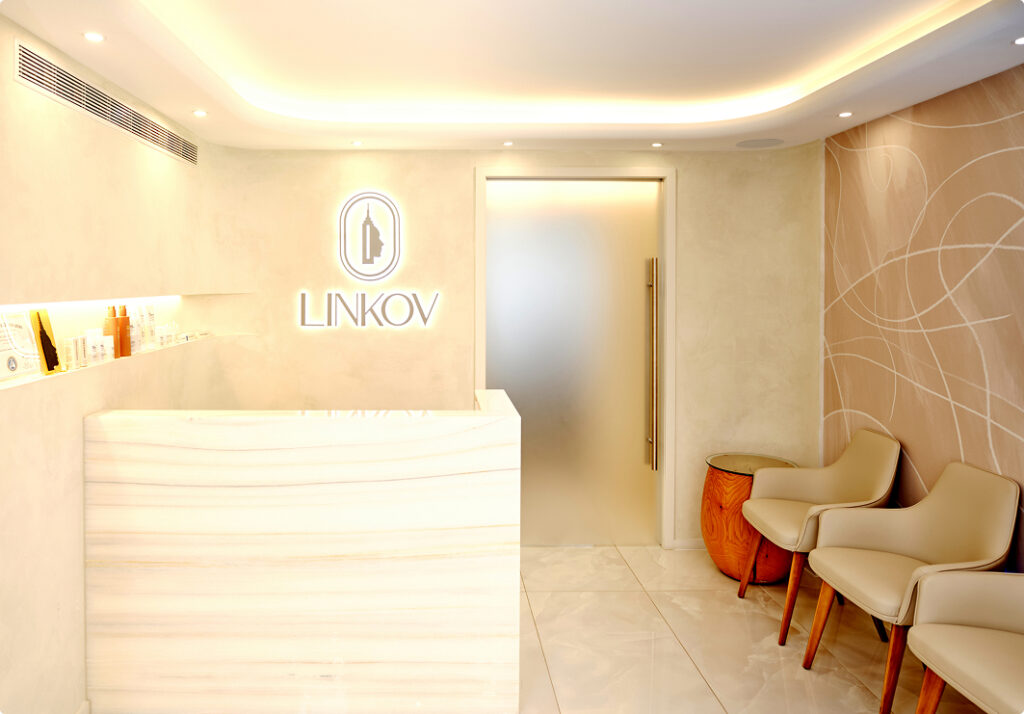

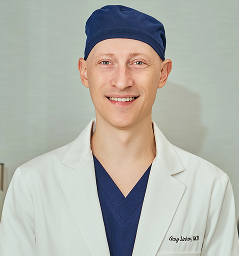
Dr. Linkov is double board-certified by the American Academy of Facial Plastic and Reconstructive Surgery and the American Board of Otolaryngology-Head & Neck Surgery. A native of New York, Dr. Linkov graduated as a salutatorian from Cornell University and received his Medical Degree at Columbia University College of Physicians and Surgeons. Dr. Linkov conducted advanced head and neck cancer research at the world-renowned Memorial Sloan Kettering Cancer Center. Dr. Linkov is a former Adjunct Assistant Professor at New York University (NYU), where he taught Rhinoplasty.
Dr. Linkov is a top-rated facial plastic surgeon in New York who specializes in lip lift and hair transplant surgery. He has been named one of the top 5 lip lift surgeons in the United States, is listed in the prestigious SuperDoctors New York™ registry, and has appeared on the Dr. Oz Show, where he discussed the state-of-the-art hair transplantation procedure.